
Ever wonder what’s really behind the wires and switches powering today’s machines?
For technicians, learning how to read electrical schematics is one of the first steps to preparing for a career in electrical. Many employers expect new hires to be able to understand diagrams, follow wiring routes and spot issues quickly.
If you’re a problem solver that prefers hands-on learning, schematic reading skills can help you become a qualified professional. If you want to learn everything you need to enter the field, you can train in one of the four programs at Universal Technical Institute’s electrical training suite130
Continue reading to understand how to start reading schematics and how you can train to join the next generation of electrical professionals.
Basics of Electrical Schematics
Schematics are roadmaps that explain how circuits are built and how electricity flows. Unlike pictures of equipment, schematics show the logic of the system. Once you can read them, you can know not only what’s connected, but how current moves from one point to another.
Common Symbols
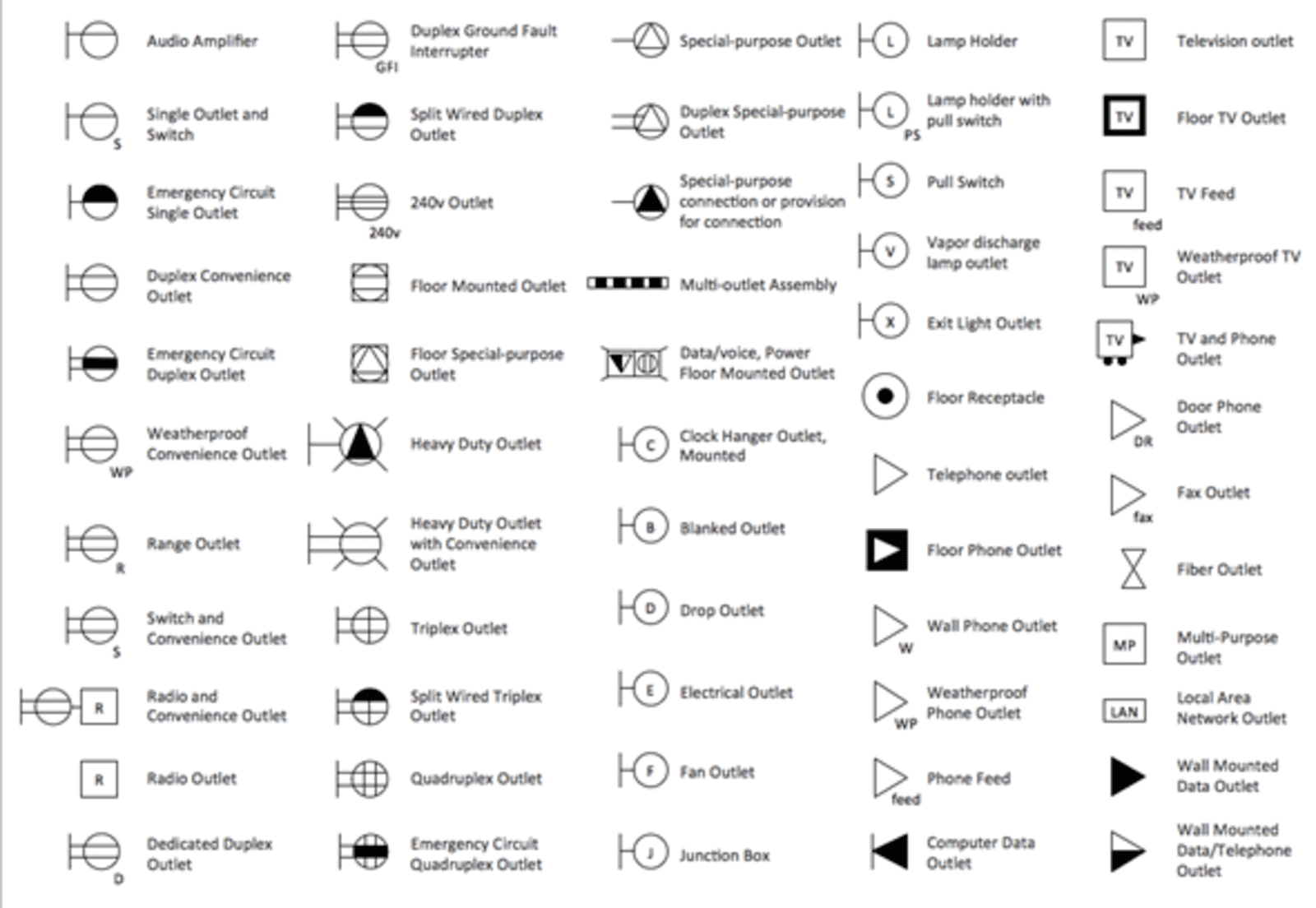
To get started, you’ll need to recognize basic electrical schematic symbols.
- Resistors look like zigzag lines and show where energy is slowed down.
- Capacitors appear as two parallel lines and store energy.
- Switches are breaks in the line, showing where a circuit can open or close.
Line Types and Connection Indicators
Lines on a schematic aren’t all the same. Solid lines usually show conductors, while dotted lines may indicate control wiring or future connections. Small dots often mark a physical connection between wires. If there’s no dot, the wires cross but don’t connect.
Read: Troubleshooting Electrical Systems: A Technician’s Guide
Types of Wiring Diagrams
Single-Line vs. Multi-Line Diagrams
Single-line: A single-line diagram gives a simplified overview of an electrical system. It shows how key components are linked without drawing every individual wire, making it easier to see system layout at a glance.
Multi-line: A multi-line diagram includes each conductor, connection and path in detail. This allows technicians to trace circuits step by step and is critical when diagnosing faults or planning complex installations.
Pictorial vs. Schematic Representations
Pictorial: A pictorial diagram shows components in their actual shape and appearance. This format is helpful for beginners or when visually matching real-world equipment.
Schematic: A schematic diagram uses standard symbols to represent electrical parts and the logical flow of current. It removes visual clutter so pros can quickly read, analyze and troubleshoot systems.
Read: Series vs. Parallel Circuits: What Future Electrical Technicians Need to Know
Step-by-Step Reading Techniques
Knowing symbols is only part of the job. You also need to practice reading a diagram as if the current is moving through it, step by step.
Tracing circuits end-to-end
When you trace a circuit, you begin at the power source and carefully follow the line through each component symbol. Continue until you reach the load, such as a motor, lamp or outlet.
This process helps you see the full story of how energy flows through a system. By practicing end-to-end tracing, you can develop the habit of looking at the whole path, not just one piece at a time.
Identifying power, ground and signal paths
A clear roadmap makes any diagram easier to read. Power, ground and signal lines form the backbone of most circuits, so spotting them first helps you set the stage.
Once you mark these lines, you can quickly see which parts deliver energy, which parts return it and where control signals come into play. With this structure in mind, the rest of the circuit becomes much easier to understand.
Read: GFCI vs. AFCI: Differences and Uses
Applying Schematics in Troubleshooting
Once you can read schematics, you can start solving real problems on the job. Troubleshooting is about finding what’s wrong and fixing it quickly, and diagrams are one of the most reliable tools to make that happen.
Locating faults using diagrams
When equipment fails — like a motor that won’t start — a schematic gives you a roadmap for finding the issue. You can trace the circuit step by step, checking whether the problem lies in the power source, the wiring, or a control element such as a switch or relay.
This method keeps you from jumping to conclusions. By following the circuit logically, you reduce the chance of replacing the wrong part or overlooking a hidden fault.
Verifying components and connections

Schematics also help you confirm whether every component is wired correctly. A quick comparison between the diagram and the actual setup can show if a wire is missing, misplaced, or installed incorrectly.
This verification step prevents costly mistakes and unnecessary downtime. It gives technicians confidence that the system is built to plan before they move on to more advanced checks.
Read: How Electrical Safety Systems Protect Modern Technicians
How To Read Electrical Schematics With Training
Learning from a book isn’t enough — you need hands-on training to make it real. At Universal Technical Institute, any of the programs within the electrical training suite will give you the opportunity to practice this skill.
Lab training with industry technology
In UTI’s labs, students use real tools and industry-standard equipment. You won’t just look at diagrams — you can apply them by wiring, testing and repairing systems.
Preparing for real-world challenges
The suite includes programs in electrical and electronics training, electrical industrial maintenance training, electrical robotics and automation training, and electrical wind training. Choose one, and you can prepare you for entry-level career roles in one year or less.130

Learn How To Read Electrical Schematics!
Many employers expect electrical professionals to know how to read electrical schematics from day one. With hands-on electrical training, you can learn this and other important skills in a year or less.
If you’re ready to start, enroll now. Need more info? Click the button below or dial 1-800-834-7308.
Universal Technical Institute of Illinois, Inc. is approved by the Division of Private Business and Vocational Schools of the Illinois Board of Higher Education.