
Electrical & Electronics
Single vs. Three-Phase Power: Key Differences and Best Uses
Explore single-phase vs. three-phase power, the key differences between them and how hands-on training can put you on the path toward an electrical pro career.
In This Article
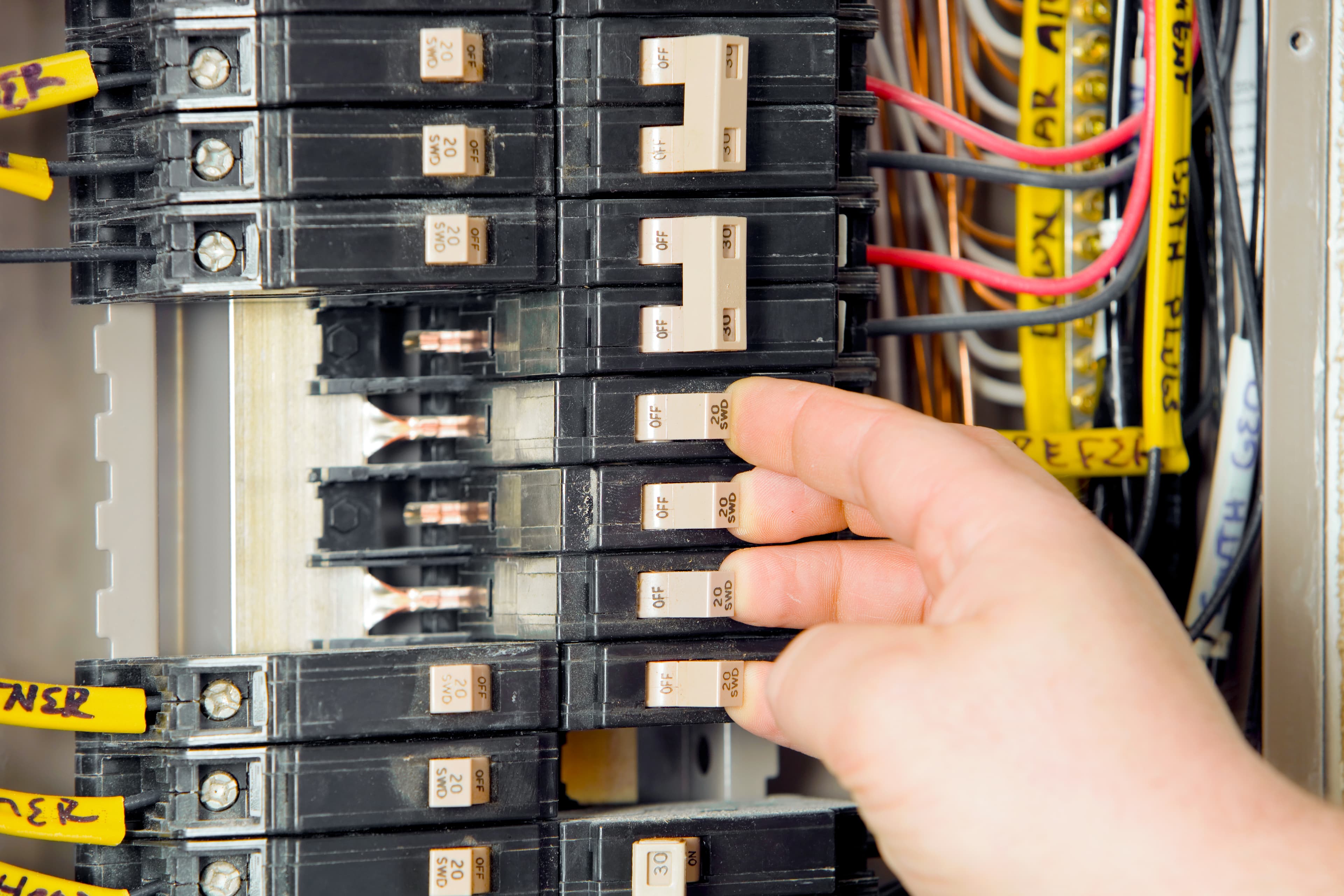
When you flip a light switch, you probably don’t think about the type of power behind it.
But for technicians, knowing the difference between single-phase vs. three-phase power is essential. Each electrical system is designed for different loads, and employers expect new hires to recognize how they’re wired and applied.
Preparing for an electrical career means learning essential electrical skills early on. Universal Technical Institute (UTI) provides four programs designed to help you gain that skill set.130
Stay tuned to uncover what makes these systems unique and how you can build hands-on skills needed to become an electrical professional after graduation.
(Note: UTI’s electrical programs do not prepare graduates for employment as electricians, and graduates will not be eligible for certification as an electrician without additional training and meeting state licensing requirements.)

Single-Phase Power
Single-phase power is the most common setup in homes and small buildings. It uses two wires: One “hot” wire carrying current and one neutral wire returning it. Together, they create a simple alternating current.
How it works
In the U.S., single-phase power is most often delivered at 120 or 240 volts. The current flows through a single alternating wave, which means the energy rises and falls in a repeating pattern. Because of this, the voltage hits a peak and then drops toward zero before building back up again.
This “pulsing” effect makes the supply less consistent compared to systems that use multiple phases. While the power is steady enough for lights, outlets and most small appliances, it doesn’t provide the constant torque that larger motors and heavy machinery often need. That’s why single-phase power is seen as reliable but best suited for lighter electrical loads — for everyday electrical needs.
Typical single-phase residential uses
Single-phase wiring is the standard for most homes and smaller buildings. It’s found in houses, apartments and small offices. This type of power runs common items like wall outlets, ceiling lights and standard appliances. It can also handle equipment such as televisions, refrigerators, microwaves and smaller air conditioning units.
Since the loads in these spaces are usually lighter and more predictable, single-phase service provides reliable and cost-effective power. For anyone entering the electrical field, recognizing where single-phase systems are used is an important step toward understanding how energy flows in residential settings.
Read: How To Use a Digital Multimeter
Three-Phase Power
Three-phase power uses three hot wires, each carrying current on a different cycle. The result is a more even flow of energy compared to single-phase systems.
Why three-phase motors run more smoothly
In a three-phase system, power is carried on three separate wires, with each current shifted 120 degrees from the others. This creates a rotating supply of energy that never fully drops to zero. Instead of pulsing like single-phase, the flow stays more consistent and balanced.
That steady delivery means motors, pumps and other heavy equipment don’t have to deal with the same rise-and-fall effect. They can run at a constant speed with less vibration, less heat buildup and less wear on the parts. This makes three-phase power especially effective for driving large machines over long periods of time.
Commercial/industrial three-phase uses
Factories, office buildings and large shops rely on three-phase power to keep machines, lighting and climate systems operating without interruption. Because the supply stays balanced across all three lines, it can deliver more total power without increasing the current in any one wire.
That efficiency reduces the risk of overload and helps ensure reliable service, even for high-demand facilities. In industries where downtime or uneven current could mean costly repairs, three-phase power has become the standard. For new technicians, understanding these systems is a key step toward working in commercial and industrial environments.
Read: Fuse vs. Circuit Breaker: What’s the Difference?
Single-Phase vs. Three-Phase: Which Is Better?
Choosing between three-phase vs. single-phase depends on the application.
Efficiency
Three-phase systems can deliver more power using less conductor material compared to single-phase. Because the load is spread evenly across three wires, less current flows through each one.
That means smaller wire sizes can often be used for the same job. This reduces energy losses in transmission and makes three-phase more cost-effective for moving large amounts of power.
Motor performance
Three-phase motors provide smoother operation because the power supply never fully drops to zero. Instead, the rotating magnetic field keeps torque constant, which reduces vibration and heat.
This not only helps machines run more quietly but also extends the life of the equipment. In contrast, single-phase motors experience more fluctuation, which can cause strain when powering larger tools or heavy-duty machines.
Equipment sizing
Because three-phase power is more efficient and balanced, equipment designed for it can be more compact while still delivering high output. Smaller motors, panels and conductors can often handle the same workload as larger single-phase counterparts.
For lighter residential or small-office applications, single-phase sizing is sufficient. But in industrial and commercial settings, three-phase systems allow for smarter, space-saving designs without sacrificing performance.
Cost
Single-phase systems are generally less expensive to install and maintain, making them the most practical choice for homes and smaller buildings. The wiring is simpler, equipment is cheaper and service panels cost less.
Three-phase systems, by contrast, have higher upfront costs because they require additional wiring, larger panels and more complex infrastructure. While the investment pays off in commercial and industrial settings, single-phase is usually the most cost-effective option for everyday residential power.
Scalability
When energy demand grows, three-phase systems are easier to scale. They can handle higher loads without stressing the wiring or equipment, making them ideal for factories, office towers or any site with heavy machinery.
Single-phase systems are harder to scale beyond a certain point; adding more appliances or equipment often means overloading circuits or needing a full service upgrade. This makes three-phase the smarter long-term option when future expansion is likely.
Service availability
Most neighborhoods and smaller facilities are connected to single-phase service because that’s all they require. Three-phase service is less common in residential areas but is widely available in commercial and industrial zones. Utilities often reserve three-phase distribution for areas with higher energy needs.
For technicians, knowing where each service type is available — and how to recognize it — is critical for planning installations, troubleshooting and understanding which power system fits the site best.
Read: Troubleshooting Electrical Systems: A Technician’s Guide
Can You Convert Single-Phase to Three-Phase?
Sometimes a shop needs to upgrade when equipment outgrows single-phase service.
When single- vs. three-phase makes sense
Converting from single-phase to three-phase can be worthwhile when equipment needs outgrow what a single-phase service can handle. If a shop adds heavy-duty motors, large HVAC systems or other machines that demand constant, balanced power, three-phase becomes the better choice.
Conversion can also make sense in growing businesses where energy use will continue to rise, since three-phase service is more efficient at higher loads and reduces wear on machines over time. While the upfront cost is higher, the long-term savings and performance gains often justify the investment.
Codes, permits and inspections
Any time a system is converted or upgraded, local electrical codes come into play. Most jurisdictions require a permit before the work begins to ensure the project follows established safety rules. Once installation is complete, an inspector usually reviews the work to verify compliance and confirm that the system is safe to operate.
These steps are not just red tape — they help protect workers, building occupants and the equipment itself. For anyone entering the trade, knowing how to navigate codes, permits and inspections is an essential skill that keeps projects on track and up to standard.
Read: Electrician Technician: 15 Essential Electrician Tools To Have
Testing and Troubleshooting
Technicians need to confirm wiring setups and spot problems before they cause downtime.
Safely using a multimeter and clamp meter
Testing live circuits requires the right tools and safe handling. A multimeter can measure voltage, current and resistance, but only if set to the correct mode and range. Before taking a reading, technicians should double-check their settings and place the probes carefully to avoid shorts or accidental contact.
A clamp meter is often used when measuring current because it allows readings without disconnecting wires. The clamp is placed around a single conductor, which makes it safer and faster than breaking the circuit. In both cases, wearing proper protective gear and following lockout/tagout procedures are critical steps. These habits help prevent shock, equipment damage and inaccurate results.
Common issues
Even with the right equipment, electrical systems can run into problems that affect safety and performance. Knowing how to spot these issues early helps prevent failures and costly downtime. Here are some of the most common problems you may see in the field:
- Unbalanced loads: When power isn’t evenly shared across phases, motors may overheat, and equipment can wear out faster.
- Voltage drop: Long wire runs or undersized conductors can cause voltage to fall below safe levels, leading to poor performance in sensitive devices.
- Overloaded circuits: Drawing more current than a circuit is designed for can trip protection devices or damage wiring.
- Loose connections: Weak or corroded terminals create resistance, which generates heat and can cause fire hazards.
- Harmonics: Nonlinear loads like variable speed drives may distort waveforms, creating extra stress on equipment.
- Nuisance tripping: Breakers or protective devices may trip without a true fault, often pointing to sizing or compatibility issues.
Train To Learn About Single vs. Three-Phase Power Systems!
Build electrical skills from scratch on real residential and commercial panels in hands-on labs. Choose between four electrical training programs where you can practice wiring, testing and troubleshooting and learn single-phase vs. three-phase system servicing skills.
Want to learn more? Request information by clicking the button below or calling 1-800-834-7308. Enroll now if you’re ready to get started.
Universal Technical Institute of Illinois, Inc. is approved by the Division of Private Business and Vocational Schools of the Illinois Board of Higher Education.
Train for the Future
Imagine waking up each day excited to work in a career you’re passionate about – one where your hands-on skills make a real impact. UTI’s vocational trade school can help you gain the skills and confidence to pursue what you love.
